What Makes Rwandan Coffee Taste the Way It Does
Take a sip of Rwandan coffee and the first thing you notice is how bright it is. Aromatic, clean, often with a lift of citrus or red fruit that you don't get from a heavier, earthier cup. Our own Rwanda single origin is exactly that, aromatic with notes of citrus.
So what's actually going on? Four things shape the flavour of Rwandan coffee, and the last one matters most.
The hills slow everything down
Rwanda is called the land of a thousand hills for good reason, and much of its coffee grows high on those steep slopes. Higher means cooler, and cooler means coffee cherries ripen slowly. That extra time on the tree lets sugars and acidity build, which is where that bright, lively character comes from.
Bourbon at its heart
Most coffee grown in Rwanda is Bourbon, an Arabica variety prized for sweetness and complexity. It's not the highest yielding tree around, but in the right conditions it produces cups with real depth, which is why so many specialty buyers look to Rwanda.
Washed for a clean cup
Most Rwandan coffee is washed. Freshly picked cherries are taken to a washing station, where the fruit is removed, the beans are fermented and washed clean, then dried slowly on raised beds in the sun. Washing strips away anything that might cloud the flavour, so what's left in the cup is clear and precise. Fruit tastes like fruit. Florals come through.
What you'll taste
Every harvest and every hillside is a little different, but Rwandan coffee commonly shows citrus, red fruit, floral aromatics and a clean, tea-like finish. It shines as an espresso, holds its own in a long black and brings a lift to a latte that a darker coffee won't.
Brewing at home? Our Rwanda single origin comes in Nespresso®* Original compatible aluminium capsules. If you're not sure your machine takes them, our pod guide will tell you in a minute.
The people behind the flavour
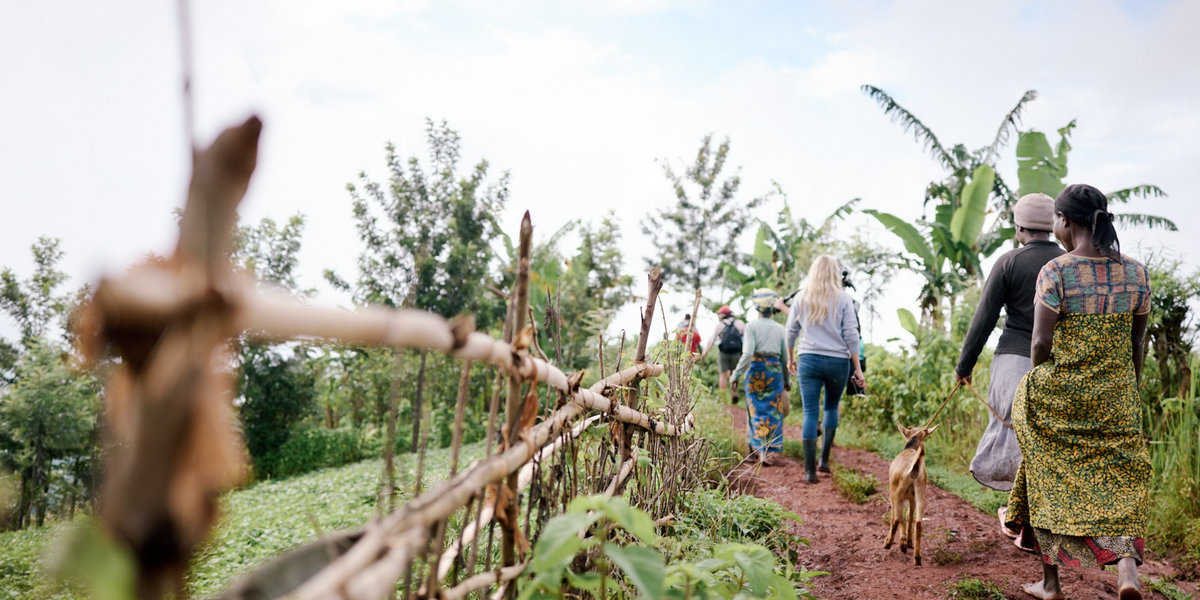
None of that happens without the growers. Most Rwandan coffee comes from smallholder farmers, many of them women, working small plots and bringing their cherries together through cooperatives.
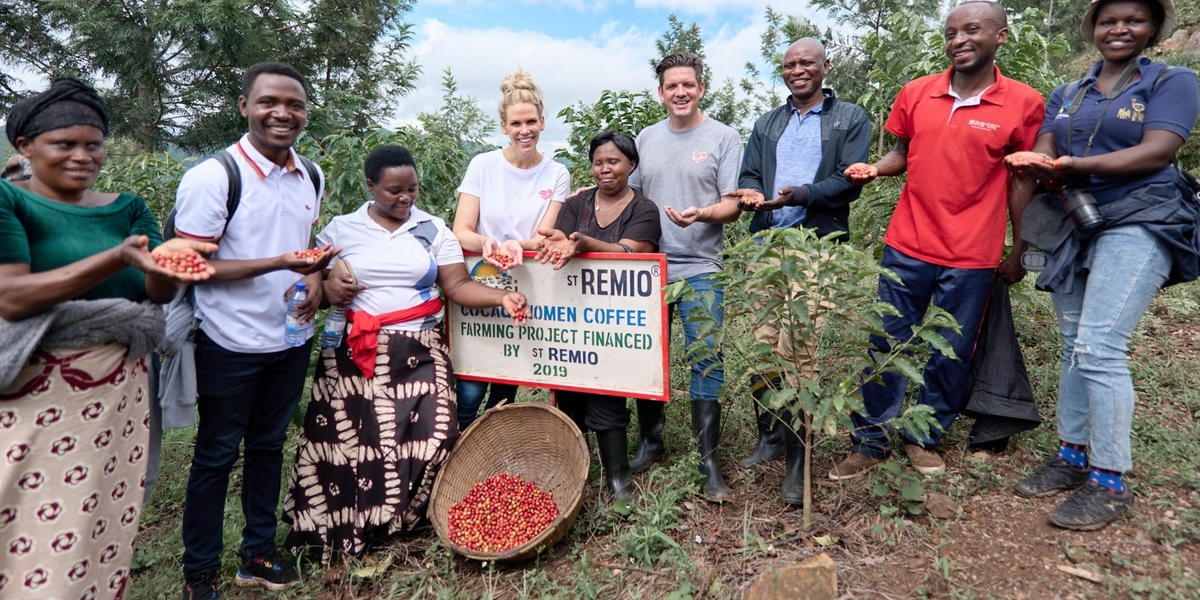
That's where St Remio comes in. Since 2017 we've funded projects with women coffee farmers in Rwanda, including a cupping lab where farmers could taste their own coffee for the first time. Many of them had grown it for years without ever knowing what it became. Read why we taught farmers to taste their own coffee.
Today we fund the Cocagi Women's Coffee Farming Cooperative in West Rwanda, a cooperative of more than 1,100 members, with land, agronomists and training. Meet Patricia, the agronomist behind Cocagi's coffee, or see every project your coffee funds.
Taste it for yourself. Shop St Remio Rwanda capsules.