From Rwanda to Your Cup: The Cocagi Cooperative, April–July Update
Four months on the ground with the women of Cocagi tell a simple story: coffee this good doesn't happen by accident. It's built, season by season, by people who show up every day to give the plantation what it needs.
Here's what that looked like between April and July this year.
Feeding the soil, not just the plant
Organic manure has been going down across the plantation, and it's doing more than most people realise. Good manure lifts both the quality and quantity of the harvest, it shows up later in the cup, in a better cupping score and it keeps the plantation looking strong and productive for years, not just one season.
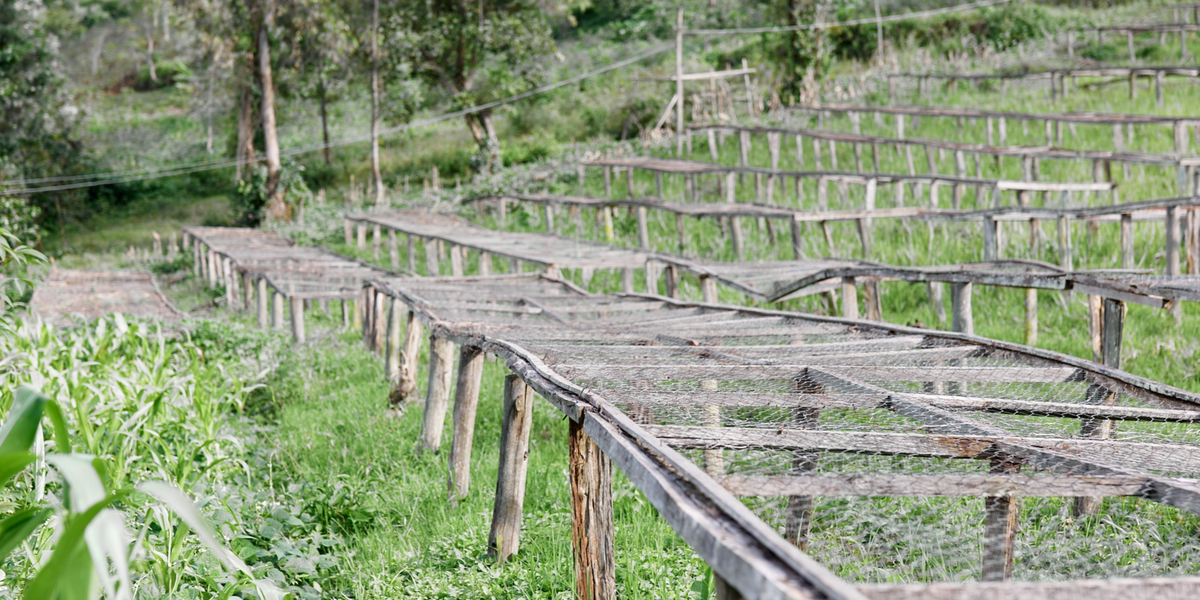
Weeding has been just as constant. Left alone, weeds compete with the coffee plants for everything, water, nutrients, space. So the Cocagi farmers have been clearing them by hand across every plot. There's a second benefit here too: once cleared, the grass breaks down and becomes fertiliser in its own right, feeding the very plants it was competing with days earlier.
Mulch, and the case for covering the ground
The cooperative is now buying mulch to cover the plantation properly. It sounds like a small thing. It isn't. Mulch controls erosion, holds humidity in the soil, and protects the micro-organisms living underground that the coffee plants depend on. In a region where the land itself is the asset St Remio has spent seven years helping the cooperative build, protecting the soil is protecting the investment.
Pruning for the next harvest, not just this one
After harvest, the farmers move through the plantation removing dried branches and any cherries left behind, routine maintenance, but essential. Later, as new shoots come through, they manage the plants that try to grow more than one stem per mother plant. Left unchecked, that habit spreads a plant's energy too thin and drags yield down. Managed properly, it lifts production and helps prevent pests and disease from taking hold in the first place.
The people behind the process
None of this happens without labour, and April to July has meant a full seasonal workforce: pickers and sorters for the cherries, transport from field to washing station, and the bags, baskets and sacks that make harvest possible at scale. An agricultural technician has been on hand throughout, advising on technique and keeping across the day-to-day needs of the plantation because coffee farming doesn't take a day off.
Alongside the fieldwork, the cooperative has kept investing in its people: training sessions to build knowledge and experience, and regular meetings to review what's working, plan what's next, and share information across the project. Cooperative leaders have also been out on plantation visits, evaluating progress and keeping a close eye on how the project is being carried out on the ground.
Why this matters for your cup
Every one of these steps, the manure, the mulch, the pruning, the people, is what turns a plot of land into a coffee-producing plantation the Cocagi women can rely on. St Remio has funded this land and this partnership since 2017/18, because we believe farmers should own the tools of their own success, not just supply the raw material for someone else's.
This is what that investment looks like in practice, four months at a time.
One Bean. One Cup. One Community.®
#WeAreStRemio #StRemio #CoffeeWithPurpose #BeTheImpact